Efficiency and Accuracy: Optimizing CNC Machining Processes
In the realm of modern manufacturing, CNC (Computer Numerical Control) machining stands as a cornerstone technology, enabling precise and efficient production of complex parts across various industries. Optimizing CNC machining processes involves a meticulous balance between achieving high efficiency in production throughput and maintaining impeccable accuracy in part dimensions and quality.
Advanced CAD/CAM Integration
The foundation of efficient CNC machining lies in robust CAD (Computer-Aided Design) and CAM (Computer-Aided Manufacturing) integration. CAD software facilitates the creation and modification of part designs with precision, ensuring that geometries are optimized for manufacturability and functionality. CAM software, on the other hand, generates toolpaths and machine instructions directly from CAD models, optimizing tool movements and minimizing machining time.
- Design for Manufacturing (DFM): Engineers must design parts with manufacturing constraints in mind to optimize CNC processes. This includes selecting appropriate materials, minimizing complex geometries, and ensuring accessibility for machining tools.
- CAM Optimization: CAM software plays a crucial role in optimizing toolpaths. Strategies such as adaptive clearing, high-speed machining, and multi-axis tool movements reduce cycle times while maintaining accuracy.
Choose the right CNC machine
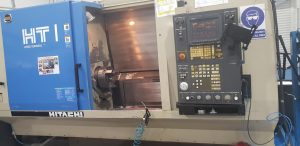
Choosing the appropriate CNC machine is the first step to improve the processing efficiency. This involves not only the type and specifications of the machine tool, but also the matching of its performance characteristics and scope of application.
- Performance evaluation: When selecting a CNC machine tool, consider the size of the workpiece, material type, complexity and production needs. For example, if high-speed and high-precision machining is required, you may need to choose a high-speed machining center or a five-axis CNC machine.
- Automation and flexibility: Modern CNC machines are often equipped with automatic tool change systems, automatic workpiece handling systems, and real-time tool monitoring capabilities that significantly increase production efficiency and reduce non-productive time.
- Customized requirements: For specific machining needs, select a machine with the appropriate control system, tool library capacity and machining speed range to ensure a rapid response to changing production requirements.
Material Selection and Machining Parameters
The choice of material significantly impacts machining efficiency and accuracy. Different materials require specific cutting tools, speeds, and feeds to achieve optimal results. Key considerations include:
- Tool Selection: Carbide or high-speed steel tools are selected based on the material’s hardness and machinability.
- Cutting Parameters: Parameters such as cutting speed (SFM), feed rate, and depth of cut are optimized through experimentation and data-driven approaches to maximize material removal rates without compromising surface finish or tool life.
Automation and Monitoring
Automation enhances both efficiency and accuracy in CNC machining processes. Integrating robotic loading/unloading systems, automatic tool changers, and in-process monitoring systems ensures continuous operation and early detection of issues:
- Robotics: Robots automate material handling tasks, reducing setup times and enabling lights-out machining for round-the-clock production.
- In-process Monitoring: Sensors and probes monitor tool wear, part dimensions, and machine performance in real-time, allowing for immediate adjustments to maintain dimensional accuracy and prevent scrap.
Quality Assurance and Inspection
Maintaining high accuracy requires rigorous quality assurance protocols throughout the machining process:
- Metrology Tools: Coordinate measuring machines (CMMs), laser scanners, and vision systems verify part dimensions against CAD specifications with micron-level precision.
- Statistical Process Control (SPC): SPC techniques track machining variability, ensuring processes remain within defined tolerances and identifying trends for continuous improvement.
Collaborate with efficient CNC machining technology experts
In today’s highly competitive manufacturing environment, collaborating with efficient CNC machining technology experts can bring huge advantages to enterprises. By collaborating with efficient CNC machining technology experts like BOYI, utilizing their advanced technology and rich experience, we can help enterprises improve production efficiency and product quality.
Lean Manufacturing Principles
Applying lean manufacturing principles streamlines CNC operations by eliminating waste and optimizing workflow:
- Kaizen Events: Continuous improvement initiatives involve cross-functional teams to identify and implement efficiency improvements.
- Just-In-Time (JIT) Production: Minimizing work-in-progress inventory reduces lead times and storage costs while responding quickly to customer demands.
Conclusion
As CNC machining technology continues to evolve with advancements, the pursuit of optimizing efficiency and accuracy remains paramount in staying competitive in global markets. This comprehensive approach ensures that CNC machining remains a cornerstone of precision manufacturing, capable of meeting the demands of diverse industries with unparalleled reliability and quality.